 Developed by LaosGreen transition and climate responseOriginal
Transboundary water resources management
This course introduces the geography, institutions, and management principles of transboundary water resources in the Mekong River Basin, with a focus on Laos and the wider CLMV region. Learners examine the legal framework for Mekong cooperation, integrated water resources management, hydropower and climate impacts, and the role of community participation and data sharing.
- 7 chapters · 21 lessons
- About 1.5 h
- 5 languages
- Bilingual certificate
Sign in to save your progress, take quizzes and receive a certificate.
What you will learn
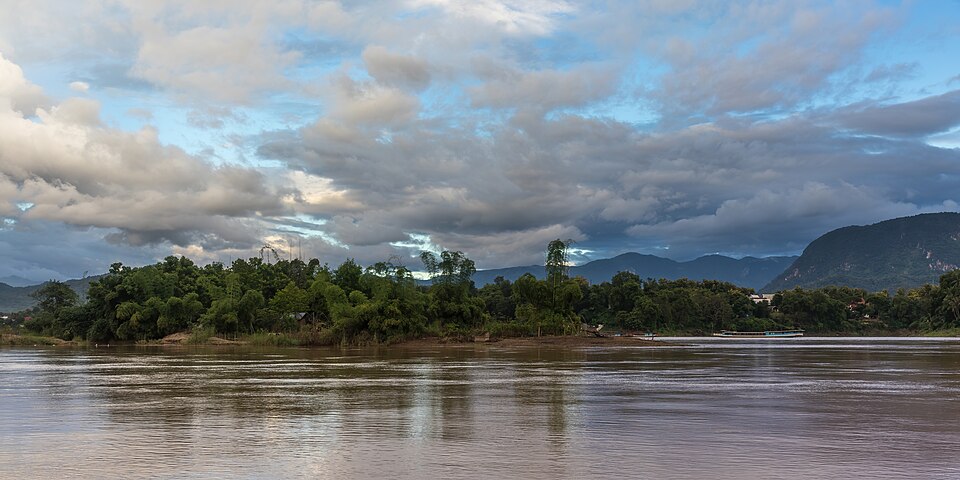
- Describe the geography of the Mekong River Basin and explain why water resources in the basin are inherently transboundary.
- Explain the legal and institutional framework for Mekong cooperation, including the Mekong Agreement and the Mekong River Commission.
- Apply the principles of Integrated Water Resources Management (IWRM) to balance competing uses of water across sectors and countries.
- Assess the transboundary impacts of hydropower development and climate change, and explain the role of community participation and data sharing in managing them.
Course description
The Mekong River flows through six countries, and the decisions one country makes about dams, irrigation, or water withdrawal can affect water flow, sediment, and fish stocks hundreds of kilometres downstream. For Laos and the wider CLMV region, understanding how transboundary water resources are managed is essential for planners, engineers, local officials, and anyone working on infrastructure, agriculture, or environmental protection along the river.
This course has seven chapters, covering the geography of the Mekong Basin, the legal and institutional framework for cooperation, integrated water resources management, hydropower and environmental flows, climate change and extreme events, and community participation and data sharing. Each chapter includes a video lecture, an in-depth reading, and a short quiz.
The content draws on real institutional arrangements and practical examples from the Mekong Basin, helping learners connect global principles of water governance to decisions made in their own province or sector.
Course syllabus
7 chapters · 21 lessons · 7 quizzes- The geography of the Mekong River Basin · Video lecture5 min
- Why Mekong water resources are inherently transboundary · Reading5 min
- Quiz: Overview of the Mekong River Basin · Quiz3 questions